
Ledger.com/Start® | Getting started — Ledger®
Ledger.com/start helps new users understand the essential steps involved in Ledger hardware wallet setup, Ledger Live connectivity, crypto account management, and secure wallet use.
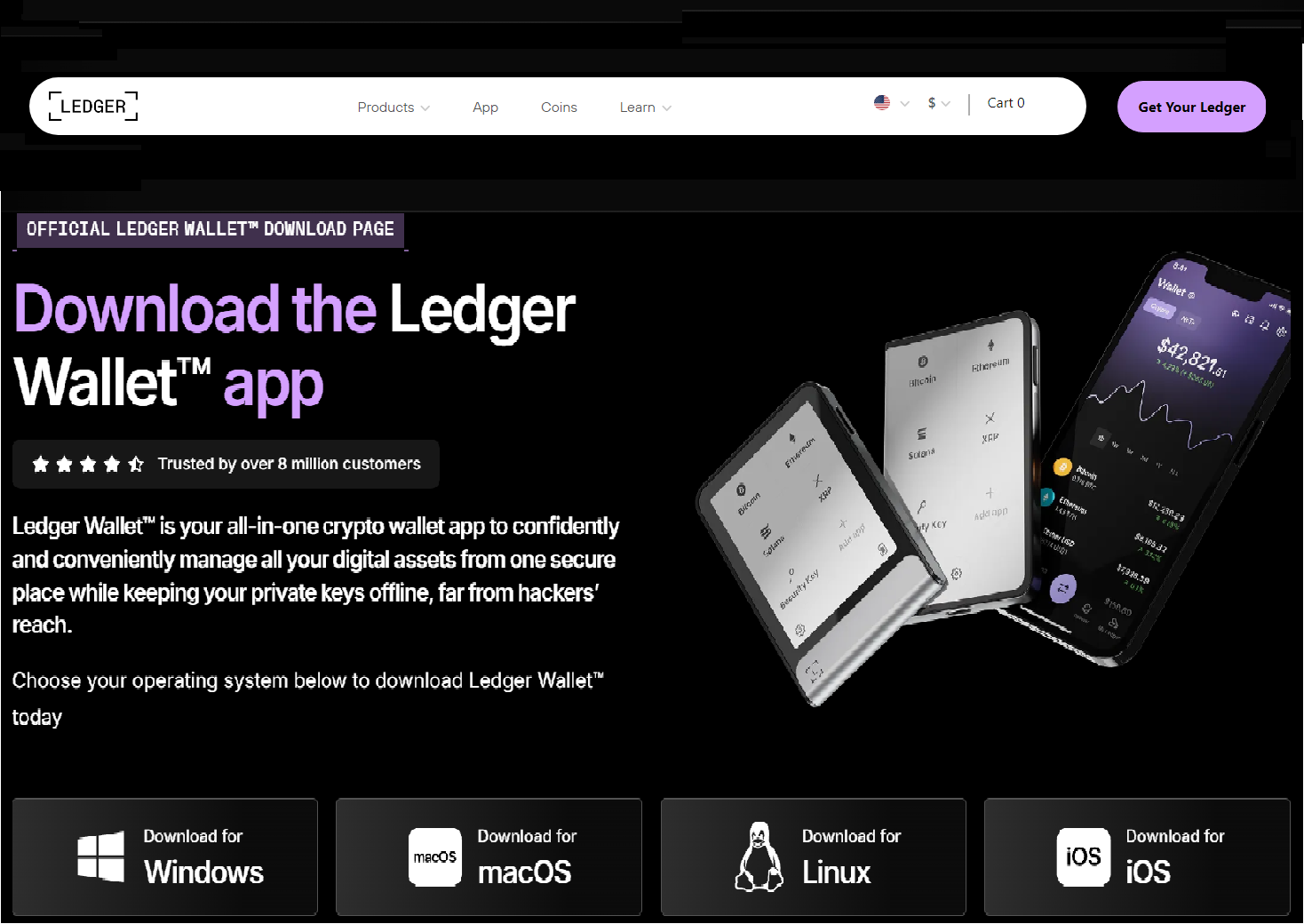
Ledger.com/start: A Complete Guide to Ledger Wallet Setup and Secure Crypto Management
Setting up a hardware wallet is an important step for users who want greater control over their cryptocurrency assets. However, the process involves more than plugging a device into a computer. Users need to understand device initialization, wallet software, recovery information, transaction verification, and basic security practices.
Ledger.com/start can serve as a useful starting point for users beginning their Ledger wallet setup. It provides access to information and resources that can help users understand how to prepare their hardware wallet and begin managing supported digital assets.
This guide explains the general Ledger wallet setup process and highlights practical security habits that can help users use their device more responsibly.
What Is Ledger.com/start?
Ledger.com/start is a starting point associated with the onboarding process for Ledger hardware wallets. Users can use the appropriate Ledger resources to learn about device preparation, compatible software, wallet configuration, and security considerations.
The setup process may vary depending on the Ledger device and software version being used. For this reason, users should always follow the current instructions provided for their specific hardware wallet.
Before entering sensitive information or installing wallet software, verify that you are using a legitimate Ledger resource. Cryptocurrency users should be especially cautious about websites that imitate trusted brands.
Understanding Ledger Hardware Wallets
A hardware wallet is designed to provide a dedicated environment for managing the private keys associated with cryptocurrency accounts.
Instead of relying entirely on a computer or smartphone to authorize transactions, the hardware wallet provides a separate device where important operations can be reviewed and approved.
Compatible wallet software provides the user interface for viewing accounts, checking balances, managing supported assets, and preparing transactions. The hardware device remains an important part of the authorization process.
This separation can provide an additional security layer, but it does not eliminate online threats. Users still need to protect their recovery information, avoid suspicious websites, and keep their devices and software in a trustworthy environment.
Preparing for Ledger Wallet Setup
Before starting the Ledger.com/start process, make sure you have the appropriate hardware wallet and a trusted computer or mobile device.
Use a private environment when initializing the device. Information displayed during setup can be sensitive, so avoid completing the process where other people can easily observe your screen or device.
It is also useful to check your internet connection and make sure your computer or smartphone is running normally. Avoid installing unfamiliar applications or browser extensions before beginning the setup.
Most importantly, do not rush through the security steps. Taking additional time to verify each instruction is generally better than approving something without understanding it.
Connecting and Setting Up Your Ledger Device
After accessing the appropriate Ledger resources, connect the hardware wallet according to the instructions for your particular model.
The device may guide you through several initialization steps. These can include establishing device credentials, confirming setup information, and preparing the wallet for use with compatible software.
Pay close attention to instructions displayed directly on the hardware wallet. The physical device should be treated as an important verification point when performing sensitive operations.
If something appears unexpected, do not automatically approve it. Stop and review the information before continuing.
Creating and Protecting Recovery Information
Recovery information is one of the most important security elements associated with a hardware wallet.
During wallet initialization, users may receive recovery credentials that can be used to restore access to their wallet under supported recovery circumstances.
This information should remain private at all times.
Write down the recovery information using the recommended method and store it in a secure location. Avoid taking photographs, screenshots, or digital copies that could potentially be accessed by malware or unauthorized individuals.
Never send recovery information through email, messaging applications, social media, or online forms.
A person who obtains the recovery credentials may potentially gain control over the associated cryptocurrency accounts. Therefore, anyone requesting this information should be treated with extreme suspicion.
Setting Up Device Security
A strong device-security routine is another important part of Ledger wallet setup.
Follow the instructions provided for establishing the device's security credentials. Avoid choosing information that another person could easily guess.
Do not share your device credentials with friends, online contacts, or individuals claiming to provide technical support.
Physical protection also matters. Store the hardware wallet in a safe location when it is not being used and avoid leaving it unattended in places where other people can access it.
Remember that protecting the physical device and protecting the recovery backup are two different responsibilities. Both should be handled carefully.
Using Compatible Ledger Wallet Software
After initializing the hardware wallet, users can use compatible Ledger software to interact with supported cryptocurrency accounts.
Depending on the available features, wallet software may allow users to view balances, monitor account activity, manage supported assets, prepare transactions, and review other wallet information.
The software functions primarily as a management interface. It should not be considered a replacement for the hardware wallet.
When a sensitive transaction needs authorization, the physical device can provide an additional confirmation step. This makes it important to review transaction information on the hardware wallet rather than relying only on what appears on the computer screen.
Managing Cryptocurrency Accounts
Once the wallet has been initialized, users may create or manage supported cryptocurrency accounts through the available wallet interface.
When selecting an account or asset, pay attention to the network and transaction requirements. Different cryptocurrencies can use different networks, and sending an asset through an incompatible network may result in serious problems.
Keep account information organized, particularly if you plan to manage multiple cryptocurrencies.
Regularly reviewing account activity can also help you identify transactions or wallet changes that you do not recognize.
Receiving Cryptocurrency Safely
Receiving cryptocurrency may appear simple, but users should still verify important details before accepting funds.
Before sharing a receiving address, confirm that it belongs to the intended account and that the correct cryptocurrency network is being used.
For significant transfers, carefully review the address before sharing it. If you are uncertain about a particular transaction process, learning how the relevant network works can help prevent avoidable mistakes.
After a transfer has been initiated, use the appropriate wallet interface or blockchain information to verify the transaction status.
Sending Cryptocurrency With Care
Sending cryptocurrency requires additional attention because many blockchain transactions cannot be reversed after confirmation.
Before approving a transaction, review the recipient address, cryptocurrency, network, amount, and transaction fee.
Do not rely exclusively on the information shown on your computer. When transaction details appear on the hardware wallet, compare them with the transaction you intended to make.
If the information displayed on the device does not match your expectations, stop the transaction.
This habit is particularly important because malicious software can potentially manipulate information displayed on a compromised computer.
Recognizing Fake Ledger Websites
Phishing is a significant security concern for cryptocurrency users.
Fake websites may copy the appearance of legitimate wallet services and attempt to convince users that they need to verify their account, synchronize their wallet, resolve an error, or restore access.
These messages can create a sense of urgency so that users act without checking the source.
Do not enter your recovery information into websites, forms, or applications because someone claims it is required for verification or support.
If you receive an unexpected message about your wallet, avoid clicking its links. Instead, navigate to the legitimate Ledger website independently and verify the information through trusted resources.
Keeping Software and Devices Updated
Maintaining current wallet software can help provide a more reliable environment for managing cryptocurrency.
When an update is available, verify that it comes from a legitimate Ledger source before installing it. Avoid downloading software or firmware from unknown websites.
Follow the instructions associated with your specific device and do not interrupt an update unless the official instructions tell you to do so.
It is also wise to make sure your recovery backup remains safely stored before performing important wallet maintenance.
Common Ledger Wallet Setup Mistakes
New users can make several avoidable mistakes during hardware wallet setup.
One common mistake is rushing through the recovery process without checking that the backup information has been recorded properly.
Another is storing recovery information digitally. Screenshots, cloud documents, email accounts, and messaging applications can create additional exposure.
Downloading wallet software from unofficial sources is another serious risk. Fake applications can imitate legitimate interfaces while attempting to capture sensitive information.
Users should also be cautious about unsolicited support messages. A person claiming to represent a wallet company should never be given confidential recovery information simply because they appear knowledgeable or professional.
Building Long-Term Ledger Security Habits
Good wallet security does not end after the initial Ledger.com/start setup.
Keep your recovery backup private. Protect your hardware device from unauthorized access. Use trusted software and verify website addresses before entering sensitive information.
Before receiving funds, check the account and network. Before sending funds, carefully verify the transaction details on the hardware device.
It is also important to stay skeptical of unexpected requests. Scammers often rely on urgency, fear, or promises of immediate assistance to convince users to ignore normal security procedures.
A careful and consistent approach can reduce many common risks associated with cryptocurrency management.
Final Thoughts
Ledger.com/start can provide a useful starting point for users beginning the Ledger hardware wallet setup process. Successful wallet initialization involves more than connecting a physical device; it also requires responsible management of recovery information, device credentials, compatible software, and cryptocurrency transactions.
A hardware wallet can provide an additional layer of protection for managing digital assets, but user behavior remains an important part of overall security.
Protect your recovery information, use trusted Ledger resources, verify transactions directly on your hardware device, keep your wallet environment maintained, and remain cautious about suspicious websites or support messages.
By following these practices from the beginning, users can establish a stronger foundation for using their Ledger hardware wallet and managing supported cryptocurrency assets with greater confidence.
Updated about 7 hours ago