
Ledger.com/Start® | Getting started® — Ledger Support
Ledger.com/start offers an easy-to-follow introduction to Ledger wallet setup, helping users understand device initialization, Ledger Live connectivity, account management, and security essentials.
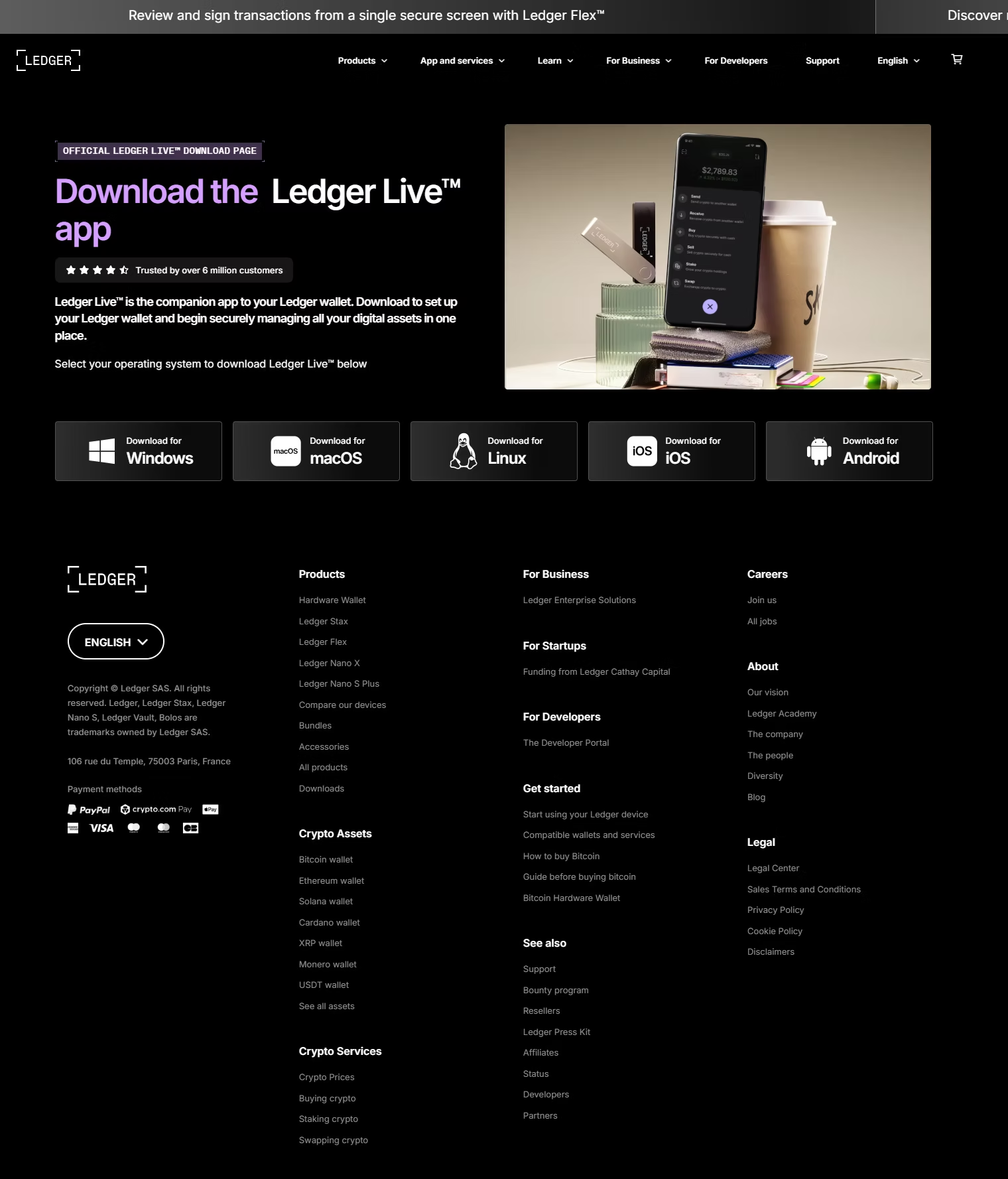
Ledger.com/start: A Complete Guide to Setting Up and Securing Your Ledger Wallet
Setting up a hardware wallet is an important step for cryptocurrency users who want greater control over how their digital assets are managed. Unlike a conventional software wallet, a hardware wallet uses a dedicated physical device to support sensitive wallet operations and transaction approvals.
Ledger.com/start can be a useful starting point for users who are beginning the Ledger wallet setup process. The onboarding journey may include preparing the device, establishing device access protection, recording recovery information, connecting compatible wallet software, and learning how to verify transactions before approving them.
A successful setup involves more than simply connecting a device to a computer. Users should understand the importance of recovery information, recognize common phishing attempts, verify transaction details carefully, and maintain good security practices throughout the life of the wallet.
This guide explains the major stages of Ledger wallet setup and provides practical information for using a Ledger hardware wallet more responsibly.
What Is Ledger.com/start?
Ledger.com/start is an entry point associated with the onboarding process for users who are setting up a Ledger hardware wallet.
The setup process can guide users through important areas such as device initialization, security configuration, compatible software, account management, and other steps required to prepare a supported Ledger device.
The exact experience can differ depending on the Ledger hardware model, software version, operating system, and features available at the time of setup. Because of these differences, users should always pay attention to the instructions applicable to their particular device.
Taking a careful approach during the initial configuration can make the transition from a new hardware wallet to an actively managed wallet much easier.
Why Ledger Wallet Setup Is Important
A hardware wallet is designed to provide a dedicated environment for certain security-sensitive cryptocurrency operations.
When supported transactions are prepared through compatible wallet software, the physical device can provide an additional point at which important transaction information can be reviewed and authorized.
However, a hardware wallet does not eliminate every security risk.
Users can still encounter phishing websites, fraudulent applications, misleading support messages, unsafe recovery-phrase storage, or incorrect transaction details.
This means Ledger wallet setup should not be viewed as a simple installation procedure. It is also an opportunity to understand how self-custody works and how security decisions can affect access to digital assets.
Preparing Before Using Ledger.com/start
Before beginning the setup, choose a private and interruption-free environment.
Use a trusted computer or compatible device and make sure the operating system and security software are maintained appropriately. Avoid starting the process from a device that may contain suspicious applications or unknown browser extensions.
Users should also be careful about how they reach setup resources.
Do not rely on unsolicited links sent through social media, email, messaging applications, or unfamiliar websites. Cryptocurrency-related scams often use convincing branding to make fraudulent pages appear legitimate.
Allow enough time to read each setup instruction instead of rushing through the process. Security-related prompts deserve careful attention.
Starting the Ledger Hardware Wallet Setup
After opening the appropriate onboarding instructions, connect the Ledger device according to the requirements of the specific model.
Different hardware wallets can have different interfaces and setup sequences, so users should not assume that instructions created for another device will be identical.
During the configuration process, pay close attention to information displayed on the physical device.
When the hardware wallet asks for confirmation, review the information before approving the operation. The physical device can serve as an important verification point when supported wallet actions are being performed.
Understanding Device Initialization
Device initialization establishes the basic configuration required to begin using the hardware wallet.
Depending on the device and setup path, this process can involve creating device access protection, configuring the wallet, and generating recovery information.
This stage should be completed carefully because the security information created during initialization can be important for future access.
Do not allow an unknown person to initialize the device for you.
Users should understand every security step they complete and should remain in control of their device, access information, and recovery information throughout the setup process.
Protecting the Recovery Phrase
Recovery information is one of the most sensitive elements of a self-custody wallet.
During the appropriate initialization process, a recovery phrase may be generated for use in restoring access to a wallet if the original device is lost, damaged, or unavailable.
This information should be treated as highly confidential.
Write the recovery phrase down using the method recommended during legitimate setup and keep the backup in a secure location.
Avoid taking photographs of the phrase or saving it in cloud storage, email, messaging applications, screenshots, ordinary text documents, or other internet-connected locations.
A recovery phrase should never be entered into a random website simply because the website claims that it is required for verification or synchronization.
Understanding the Difference Between the Device and Recovery Information
The hardware wallet and recovery phrase perform different roles.
The physical device can be used for supported wallet operations and transaction authorization, while recovery information can be used during an appropriate restoration process.
This distinction is important because possession of the complete recovery phrase can potentially provide access to the associated wallet through compatible recovery methods.
For that reason, users should not treat a recovery phrase like a normal password.
It should not be shared with customer-support impersonators, websites, applications, friends, or anyone else requesting it unexpectedly.
Creating Strong Device Protection
During Ledger wallet setup, users may be required to establish a device access mechanism such as a PIN, depending on the particular product.
Choose an access method that other people cannot easily guess.
Avoid predictable combinations and never share the device access information unnecessarily.
Physical protection also matters.
Store the hardware wallet somewhere private and secure when it is not being used. A strong security setup combines appropriate digital practices with sensible physical protection.
Connecting Compatible Ledger Software
After the device has been initialized, compatible Ledger software can provide an interface for managing supported cryptocurrency accounts.
Depending on the available features, the software may help users view balances, organize accounts, install supported blockchain applications, review activity, and prepare transactions.
It is important to understand the distinction between the software interface and the hardware wallet.
The software provides a convenient management environment, while the physical device can be involved in security-sensitive actions and transaction confirmation.
Therefore, users should not assume that installing wallet software by itself provides the same protection as properly using the hardware wallet.
Managing Cryptocurrency Accounts
Many cryptocurrency users maintain more than one account for different assets or purposes.
Keeping accounts organized can make everyday wallet management easier and reduce confusion.
Before sending or receiving cryptocurrency, confirm that the selected account corresponds to the intended asset and network.
Similar-looking assets or different blockchain networks can create confusion, especially for new users.
Review account information carefully before initiating an important transaction and avoid making assumptions based only on an account name.
Receiving Digital Assets Safely
Receiving cryptocurrency generally requires providing a wallet address to another person, exchange, service, or application.
Before sharing an address, verify that it belongs to the correct account and corresponds with the intended asset and network.
Address formats can vary between blockchain networks, and an address suitable for one asset or network may not be appropriate for another.
For larger transfers, some users may prefer to perform a smaller test transaction first. The suitability of this approach depends on the asset, network conditions, transaction fees, and individual circumstances.
Reviewing Transactions Before Approval
Transaction verification should become a regular habit.
Before confirming a transaction, review the destination address, amount, asset, network information, and available fee details.
Do not rely exclusively on information shown on a computer or smartphone.
When supported transaction information is displayed on the physical Ledger device, compare it with the transaction you intended to create.
If the details do not match, stop and investigate before approving anything.
Cryptocurrency transactions can be difficult or impossible to reverse after they have been confirmed on a blockchain, making careful verification especially important.
Recognizing Fake Ledger Websites
Phishing is one of the most common risks faced by cryptocurrency users.
Fraudulent websites can imitate familiar wallet brands, copy legitimate-looking designs, display urgent warnings, or claim that users must complete an immediate security procedure.
A suspicious message may say that a wallet has been restricted, an account needs verification, or funds will be lost unless the user takes immediate action.
Do not allow urgency to replace verification.
Instead of following unexpected links, independently navigate to a trusted Ledger resource and verify the information.
Most importantly, never provide a complete recovery phrase to a website that requests it for account verification, wallet synchronization, security validation, or technical support.
Avoiding Fake Support Representatives
Scammers can also impersonate cryptocurrency support representatives.
They may approach users through social media, online communities, messaging services, or other communication platforms.
A professional profile, familiar logo, or convincing message does not automatically prove that the person is legitimate.
Never give an unknown person remote access to your computer or hardware wallet simply because they claim to be helping with setup or troubleshooting.
Do not provide confidential wallet credentials, device access information, or recovery information to unsolicited support contacts.
Keeping Wallet Software Updated
Compatible wallet software may receive updates that introduce improvements, compatibility changes, or security-related fixes.
Users should verify that software and updates come from legitimate sources before installing them.
Avoid downloading wallet applications from unfamiliar websites or links supplied by strangers.
When performing updates, carefully check that the software corresponds to the correct product and operating environment.
It is also sensible to ensure that recovery information has been safely recorded before making significant changes to a wallet environment.
Common Ledger Setup Mistakes
Several mistakes can make a hardware-wallet setup less secure.
One common error is rushing through the initialization process without reading the security instructions.
Another is storing the recovery phrase digitally because it appears more convenient.
Downloading a counterfeit wallet application can create another serious risk, particularly when a fraudulent application attempts to collect confidential information.
Users should also be cautious about unsolicited remote-support offers.
If someone unexpectedly requests a PIN, recovery phrase, password, or remote computer access, stop the interaction and independently verify the request.
Verifying Information on the Physical Device
The physical hardware wallet provides an additional opportunity to verify important transaction details.
Before approving a transaction, compare the information shown on the device with the transaction you intended to make.
Pay particular attention to the destination and amount, along with other transaction information available on the device.
If anything appears different from what you expected, do not approve the transaction until the discrepancy has been understood.
A short verification step can help identify mistakes or potentially manipulated transaction information before authorization.
Building Long-Term Ledger Security Habits
Completing Ledger.com/start should be considered the beginning of responsible hardware-wallet use rather than the end of the security process.
Good security practices should continue every time the wallet is used.
Keep the hardware device protected, store recovery information privately, use trusted software, verify transaction details, and remain cautious when interacting with cryptocurrency websites or messages.
Avoid making important wallet decisions while feeling pressured.
If a message says that immediate action is required, pause and independently verify the claim before doing anything.
Consistent habits can make a significant difference in protecting a self-custody environment.
What to Do If Something Seems Suspicious
If an unfamiliar website, unexpected transaction, unusual device prompt, or suspicious message appears, stop before approving or entering any information.
Do not attempt to solve an unfamiliar wallet problem by entering your recovery phrase into a website.
Close suspicious pages and consult trusted documentation relevant to the Ledger product and software you are using.
Be particularly cautious about individuals who contact you unexpectedly through social networks or messaging platforms and claim that they can recover, unlock, synchronize, or secure your wallet.
When something does not look right, independent verification is safer than acting under pressure.
Final Thoughts
Ledger.com/start can provide a useful starting point for users learning how to configure and use a Ledger hardware wallet.
A complete Ledger wallet setup involves more than connecting a device. It includes understanding device initialization, access protection, recovery-phrase security, compatible software, account management, transaction verification, and phishing prevention.
Recovery information deserves particular attention because it can play an important role in restoring wallet access. It should remain private, securely stored, and unavailable to websites, unsolicited support representatives, and other unauthorized individuals.
By following legitimate setup instructions, carefully checking information on the physical device, using compatible wallet software, and developing consistent security habits, users can create a more informed and responsible approach to managing supported cryptocurrency assets with a Ledger hardware wallet.
Updated about 7 hours ago